
The Case for System 1: Why Intuition and Speed Matter in Design Thinking
Design Thinking is a human-centered approach to problem-solving that blends what’s desirable from a human point of view with what’s feasible and economically viable. At its core, Design Thinking encourages teams to deeply understand users, rapidly generate ideas, prototype solutions, and test them in a cycle of continuous learning and improvement.
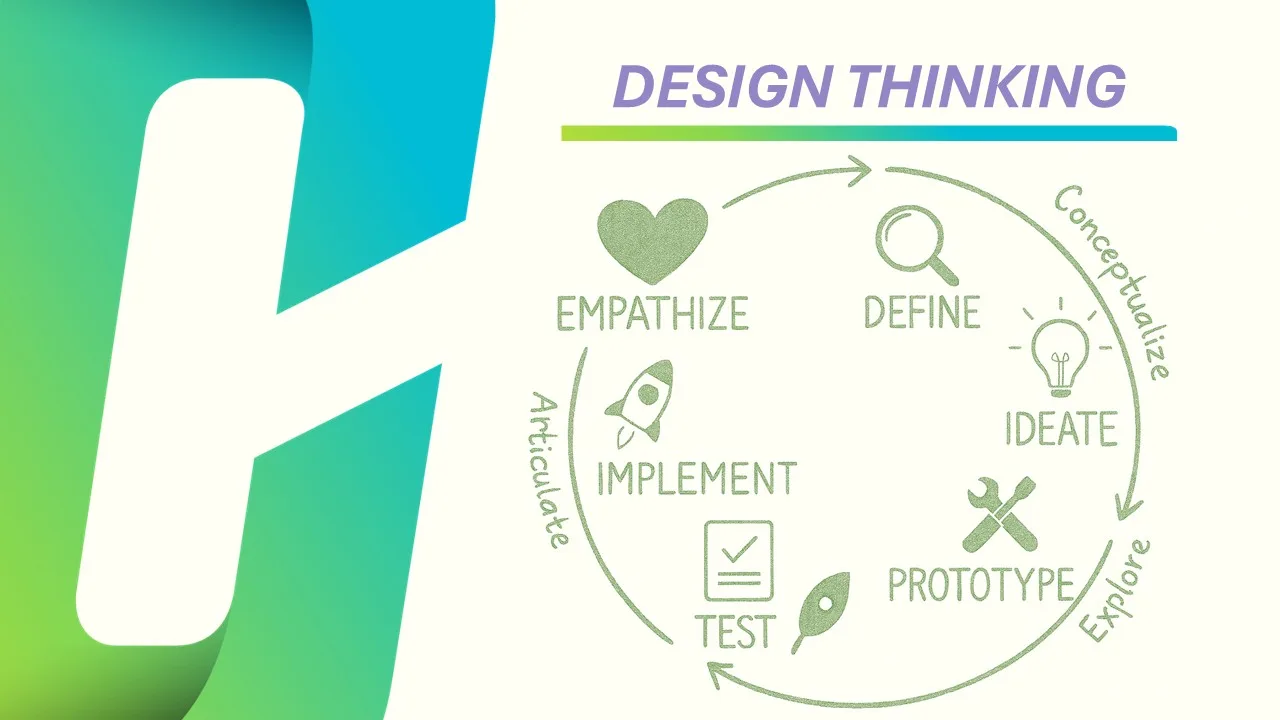
While Design Thinking is often associated with structured frameworks like the Double Diamond or Stanford’s five-step model (Empathize, Define, Ideate, Prototype, Test), its magic lies in how it taps into our cognitive strengths—especially the intuitive, fast-thinking processes described by psychologist Daniel Kahneman as System 1.
System 1 is what allows designers to make quick judgments, recognize patterns, and generate ideas without overthinking. It’s the spark behind the “Aha!” moments that often lead to breakthrough innovations.
Why System 1 Matters in Design Thinking
- Empathy and User Insight: When designers observe users, System 1 helps them intuitively grasp emotional cues and unspoken needs.
- Rapid Ideation: Brainstorming sessions rely on fast, free-flowing thought. System 1 enables divergent thinking—generating many ideas quickly without judgment.
- Prototyping and Improvisation: Early-stage prototypes often emerge from gut instincts. Designers trust their intuition to sketch, build, and test ideas rapidly.
Real-World Examples
I think about work I did with Chick-fil-A back in 2010 that eventually led to their revolutionary mobile app and new ordering/pick-up experiences. The team didn’t start with spreadsheets or analysis paralysis. They started with observations, hunches, and quick sketches. System 1 was in full force, helping them explore possibilities without getting bogged down in analysis.
The same was true of my innovation work with Frito-Lay, Google, T-Mobile, and Delta Faucet Company. Thinking and moving fast was essential to breaking through the boundaries of today to reach the possibilities of tomorrow every time.
The Takeaway
System 1 is resourceful, not reckless. It’s the engine of creativity and empathy in Design Thinking. While it may not always be right, it often leads us to the right questions. The right understanding. The right intentions. In other words, it sets us up for success.
Our next post in this series will explore the utility of System 2 thinking in Design Thinking. If you’re facing an innovation initiative and want to benefit from our experience, please drop us a line anytime at hello@catapultinsights.com.
Justin Sutton
CO-FOUNDER
CATAPULT INSIGHTS