
Acting upon Human Insights – a Q&A with Catapult Insights and expert, former Amazon researcher Debbie Hovies
Welcome back to the conclusion of our blog mini-series with Justin Sutton and Debbie Hovies (former Senior Consumer Insights Manager with Amazon). We left off in this Q&A discussing how understanding emotional and practical motivations lead to more impactful business insights and improved decision-making. But what happens next, after insights are uncovered?
The importance of integrating shopper insights into ongoing business decisions, fostering trust, and making data accessible across teams is paramount. We continue our chat by exploring the moments insights become actionable within organizations, including strategies for involving stakeholders and ensuring insights are useful and clear.
Jill: What can you tell us about how your findings influence decision making within client organizations? Do you have any tips for streamlining the jump from insights into action?
Justin: The biggest shift happens when insights stop being a “deliverable” and start becoming a shared language across teams. I’ve seen the most impact when we bring stakeholders into the research process early, whether that’s through live interviews, interactive workshops, or even just sharing raw quotes and video clips. It builds buy-in and makes the insights feel real, not abstract.
The importance of integrating shopper insights into ongoing business decisions, fostering trust, and making data accessible across teams is paramount. We continue our chat by exploring the moments insights become actionable within organizations, including strategies for involving stakeholders and ensuring insights are useful and clear.
Jill: What are some of the most impactful ways you’ve seen shopper insights used within an organization?
Debbie: The most impactful use of shopper insights happens when they are not treated as a one-time input but as a consistent part of the decision-making process. When insights are brought in early, whether in product planning, marketing strategy, or retail execution, they have the power to shape decisions that address real customer needs.
I have seen the value of building trust in insights over time, not just through strong research, but by making data more accessible and encouraging shared ownership across teams. When insights are widely available and people feel confident using them, they become a natural part of how the business works. They are no longer just a checkpoint but a driver of action.
Jill: Prediction time: where do you think retail experiences are headed in the next 2-3 years? What changes can we expect to see?
Debbie: I think we will see retail experiences become more emotionally aware and personally relevant, shaped in large part by how AI and emerging technologies are integrated into the customer journey. It will not just be about convenience or efficiency, though those are still important, but about how the experience makes people feel.
As a result, expectations around personalization will continue to grow. That said, people want to feel understood, not just targeted. Personalization needs to move beyond product suggestions to reflect emotional context, timing, and intent. And this means research must also go beyond surface level attitudes and behaviors. We need to understand both the functional needs and the emotional motivations behind them.
As a result, expectations around personalization will continue to grow. That said, people want to feel understood, not just targeted. Personalization needs to move beyond product suggestions to reflect emotional context, timing, and intent. And this means research must also go beyond surface level attitudes and behaviors. We need to understand both the functional needs and the emotional motivations behind them.
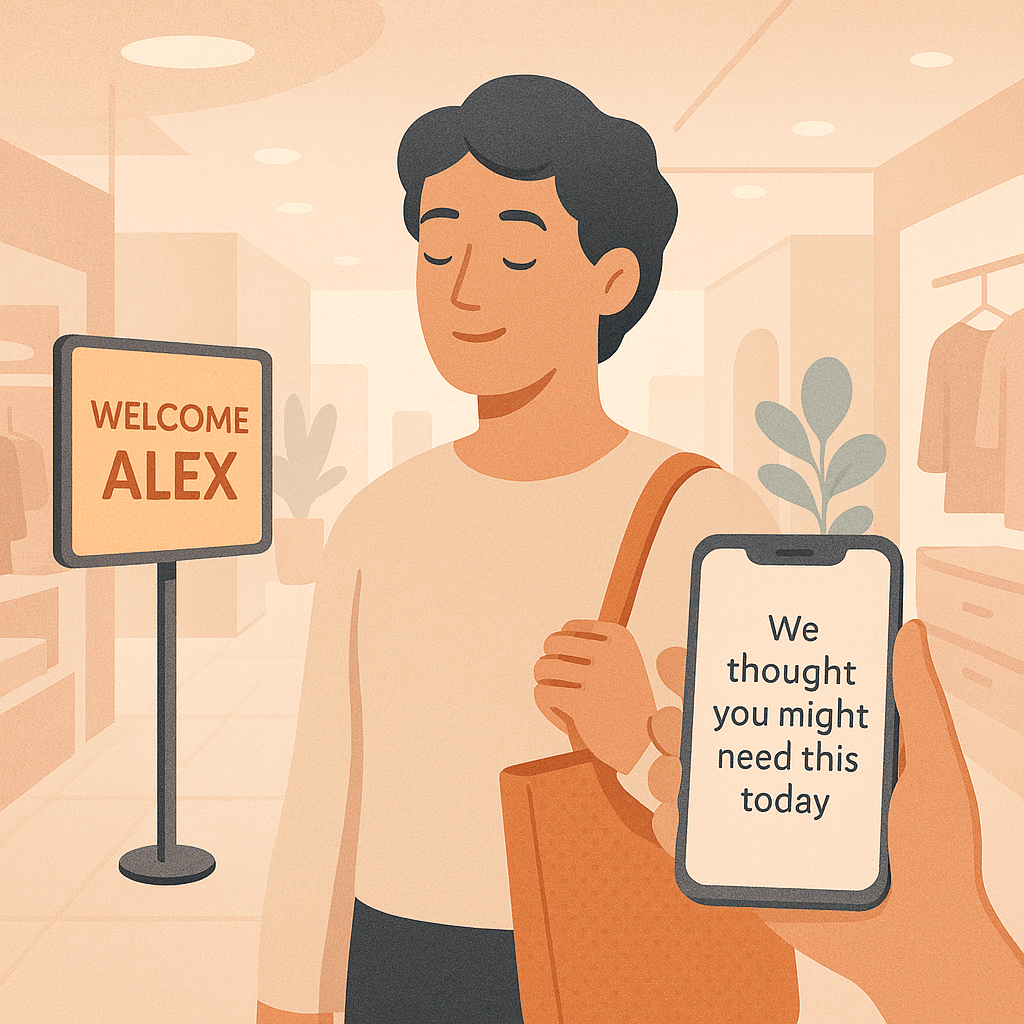
Justin: I think we’re entering a phase where retail will be less about transactions and more about connection. We’ll see experiences designed to feel intuitive, human, and emotionally resonant. Debbie is right about the growth of personalization, and in the next 2–3 years we will see an evolution of focus moving from personalization to relevance. Not just “we know your name,” but “we understand your mindset in this moment.”
What excites me is how behavioral insights can help brands anticipate needs before they’re articulated. That might mean rethinking store layouts to reduce cognitive load or using digital touchpoints to create continuity across channels. But the common thread will be empathy and using data not just to optimize, but to connect.
The brands that win will be the ones that treat insights as a design tool, not just a diagnostic. They’ll use what they learn about human behavior to shape environments that feel less like commerce and more like care.
Jill: Fascinating! Thank you both for sharing your expertise and insights!
If your organization is ready to move beyond surface-level insights and start designing strategies rooted in how people truly think, feel, and behave—now is the time. Whether you’re launching a new product, refining a customer experience, or rethinking your brand’s role in people’s lives, the right research partner can help you uncover what matters most and turn that into momentum. Let’s talk about how Catapult Insights can help you make your next move with confidence
Drop us a note at hello@catapultinsights.com if you want to learn more about our human behavioral research.
Jill Miller
CO-FOUNDER
CATAPULT INSIGHTS