

Know Your Customer or Pay the Price: The CX Wake-Up Call
In August 2025, Cracker Barrel unveiled a sleek new logo and identity system. Gone was the iconic man leaning against a barrel, replaced by a modern, minimalist design meant to scale across digital touchpoints. But customers accused the brand of abandoning its roots. Comment sections filled with cries of “they’ve ruined it.” And within 24 hours, Cracker Barrel lost nearly $100 million in market value. Within a week they reverted back to the way things were, promising to be better listeners to their customers.

Was the logo bad? Not necessarily. It was clean, scalable, and well-crafted. But the backlash wasn’t about design. It was about disconnect. The rebrand failed to honor the emotional connection customers had with the brand’s nostalgic identity. It missed the mark because it didn’t start with the customer.
This isn’t just a Cracker Barrel problem. It’s a CX problem. It’s a listening problem. It’s a problem moving from insight to action. And it’s one that brands keep repeating.
The Cost of Getting it Wrong
When brands misinterpret, won’t listen to, or skip customer research, they gamble with loyalty, perception, and revenue.
Consider:
- Tropicana’s packaging redesigns: In 2009, Tropicana replaced its familiar orange-with-a-straw image with a generic glass of juice. Customers were confused and literally overlooked Tropicana at the shelf. Sales dropped by $30 million in two months. The company reverted the change. Years later, another package redesign caused damage to the brand – an unforced error that could have easily been avoided by taking time to listen and allow insights to lead decision-making.
- Gap’s logo change: In 2010, Gap introduced a new logo that lasted just six days. The backlash was swift, and the brand quickly returned to its original design.
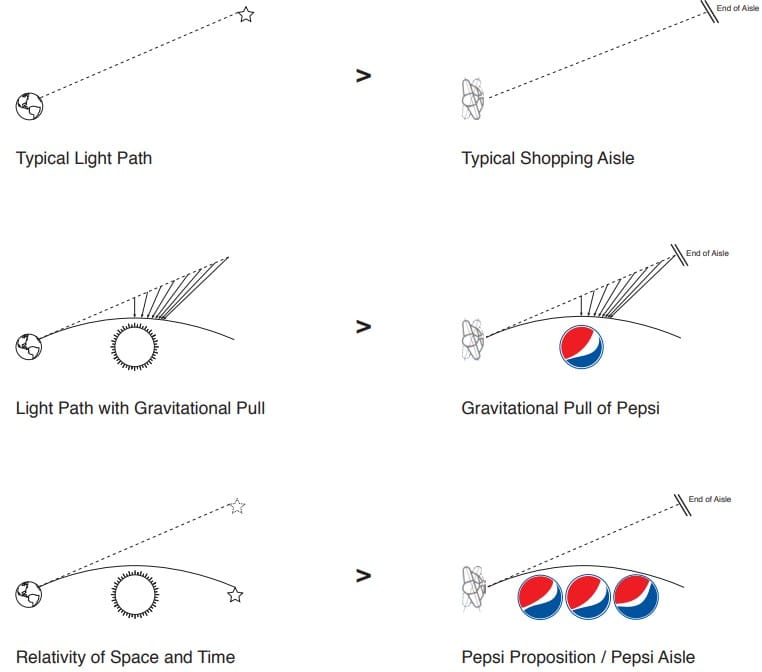
- Pepsi’s 2008 rebrand: Pepsi’s logo redesign cost over $1 million and introduced a new “smile” motif. Critics mocked the design and the accompanying brand strategy document, which included pseudo-philosophical language and ignored customers altogether. While Pepsi didn’t revert, the redesign was widely seen as overthought and disconnected from consumer sentiment.
These examples show that experience alone isn’t enough. Institutional knowledge and industry expertise can’t replace the clarity that comes from sound, empathetic research.
Leave your customers out of the conversation and they might leave you out of their consideration.


The Power of Getting it Right
When brands invest in understanding their customers, they unlock growth, loyalty, and relevance.
Here’s an inside-look at a few examples from my work history:
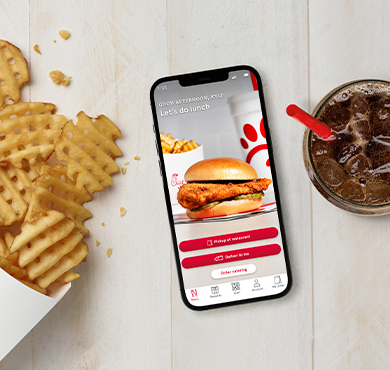
- Chick-fil-A: Years ago, I led research that helped shape their pioneering mobile app and drive-thru experience. Interestingly, the focus of our work was not at all about ordering methods or apps, but we were listening to customers rather than checking a box or hoping to confirm our own hypotheses. At the time, mobile ordering and pickup were nascent. But by listening to customers and anticipating their needs, Chick-fil-A became an early leader in convenience and digital CX well before the industry caught up.
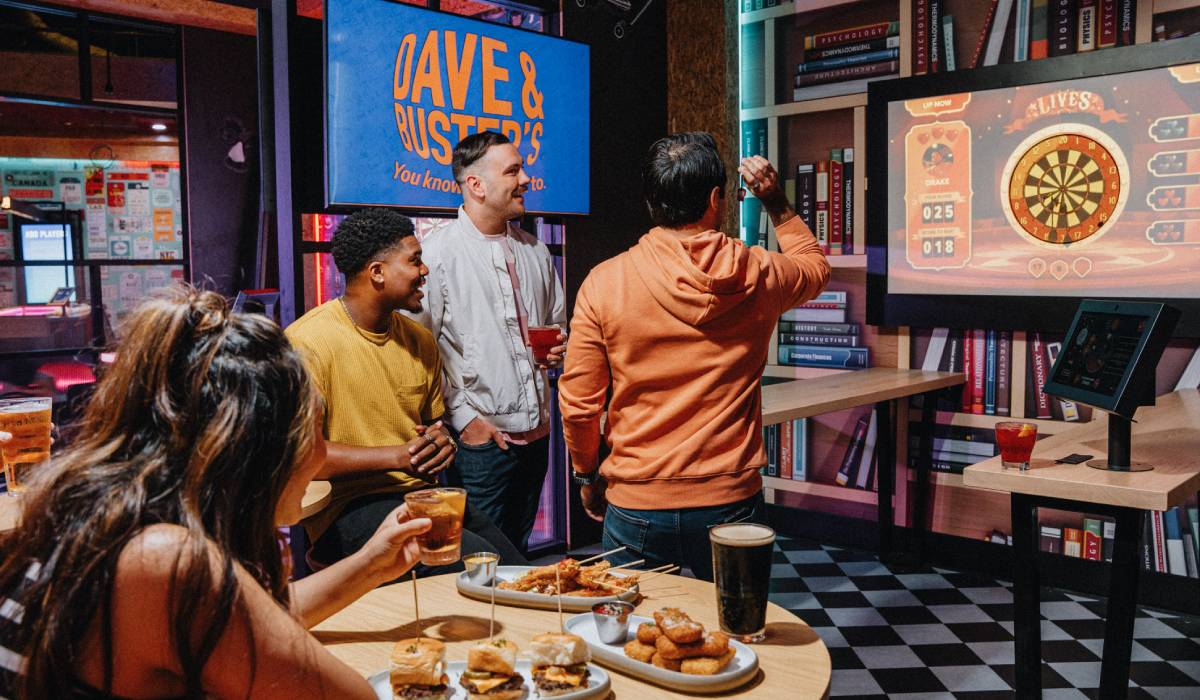
- Dave & Buster’s: Facing market saturation in major cities, the brand wanted to explore smaller-footprint stores for mid-sized markets. I conducted research to understand what the core brand experience meant to customers. We learned what elements were essential to remain authentically Dave & Buster’s and where the brand had permission to evolve. A few years later, those insights are clearly present in their “Store of the Future” strategy, which includes high-tech remodels and new formats that preserve the brand’s essence while expanding its reach.
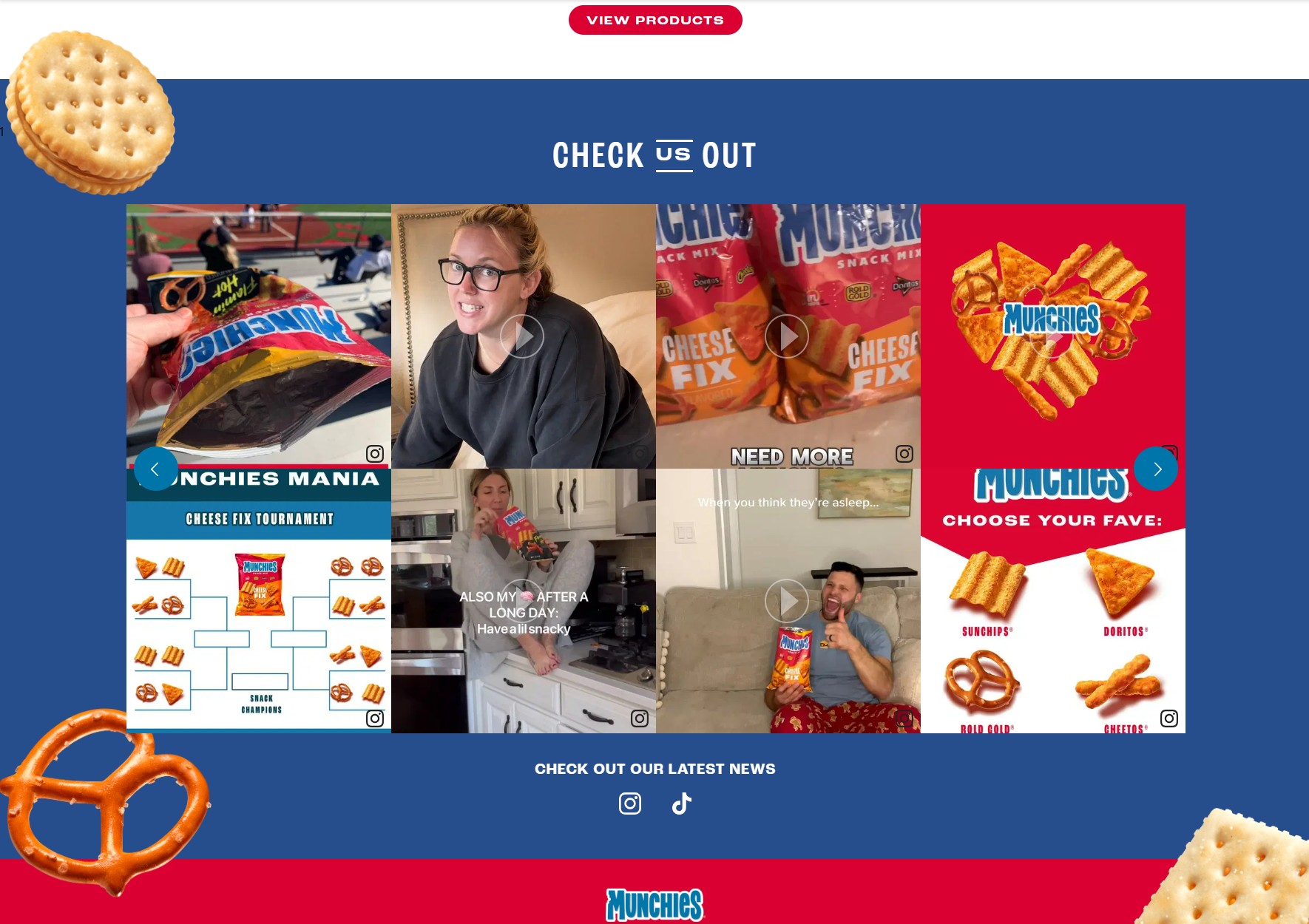
- Frito-Lay’s Munchies: Through a research initiative I called a “Brandfest,” we engaged with brand lovers to uncover how they perceived Munchies’ identity. This helped Frito-Lay define the brand’s boundaries and identify areas for growth. It gave them the confidence to invest in marketing a previously under-resourced brand, all without losing what made it special.
These successes weren’t accidents. They were the result of empathetic research that revealed what customers truly value, the ability to recognize where the insights are pointing, and then the commitment to honoring customer needs.
This is what former Amazon researcher, Debbie Hovies, and I were talking about in our recent roundtable. And it’s why Jeff Bezos had an empty chair in every meeting, symbolizing the importance of customer-centric culture and inviting us to consider the real, human needs that brand decisions are serving.

Why Experience Alone Isn’t Enough
The world is evolving fast. Customers discover new brands, products, and experiences every day. They’re inundated by ads, microcast through personal algorithms to suit personal interests. The speed of this discovery and trial cycle causes their expectations to shift constantly.
Brands relying on their own expertise alone is like navigating with an outdated map. You might know the terrain, but the roads have changed.
To deliver CX that resonates, brands must:
- Know their customers deeply
- Design experiences guided by insight
- Invest in research that’s empathetic, not performative
Half-measures won’t cut it. You can’t fake empathy. You can’t synthesize relevance.
You have to earn it.
Final Thought: Aim Three Times Before Firing
Chick-fil-A’s mantra of “aim three times before firing” is a reminder that precision matters. It’s the reason they hit so many homeruns with their new offerings. In CX, that precision comes from research. From listening. From understanding.
You may have noticed Pepsi brands on both sides of the coin in my examples above. It’s an important reminder that everyone can make mistakes. That even the biggest, most experienced groups can misinterpret customers, or worse, presume to know too much.
The cost of not conducting and listening to consumer research exceeds the cost of doing it. And the rewards of getting it right are exponential.
So, before you redesign, rebrand, or reinvent—ask yourself: How well do you really know your customer?
Might be time for a check-in, because the world is changing fast.
Justin Sutton
CO-FOUNDER
CATAPULT INSIGHTS