
From Disruption to Direction: How Insights Guide Paradigm Shifts
Industry convergence over the past decade hasn’t shown signs of slowing down. Tech overlaps with various industries, like auto, retail, and food service, bringing heightened expectations from both customers and business units. What is happening now is a reckoning among companies that evolved quickly as the challenges of sustainable execution are setting in.
Being good at new things is naturally tough. It’s additionally complicated when new solutions are also new-to-customers, especially when it requires behavior changes. A great example are the early days of consumer-targeted smartphones circa the early 2000’s. Seven years after the first internet-connected cellphone there were only about 1-in-10 people in the country carrying a smartphone. It would take another 15 years to flip that statistic, with 9-in-10 carrying a smartphone. This was a combination of the phones getting better and the public’s glacial pace of behavior change.

These two truths about improving solutions and encouraging behavior change explain a lot about why many companies are wrestling with their own evolution and how to meet customer needs in new ways. I’ve written in the past about the great opportunity that exists for innovation during economic downturns, but what do you do when you introduce something new to the market and it’s not an instant hit?
The First Key: Balancing Patience and Perseverance
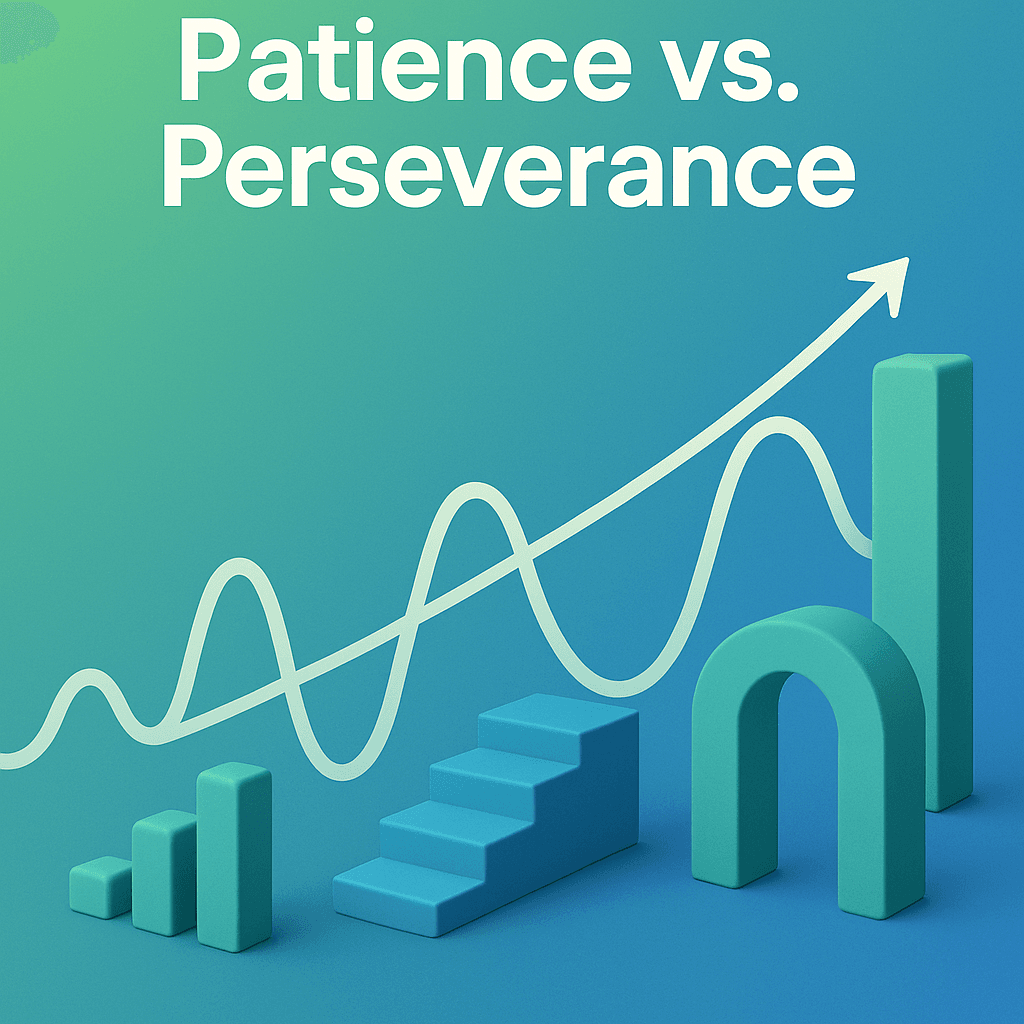
When launching something new, especially in a post-convergence world where industries are colliding and expectations are high, there’s a natural temptation to expect immediate results. But innovation rarely works on a linear timeline.
Patience is about giving your idea the time it needs to mature in the market. It’s about understanding that consumer behavior change is slow, especially when your solution requires a shift in mindset or daily habits. Think of how long it took for smartphones, electric vehicles, or even QR codes to become mainstream.
Perseverance, on the other hand, is about staying committed to your vision even when early signals are ambiguous. It means continuing to test, learn, and refine. Not just waiting but actively evolving.
The tension between these two forces is where great strategy lives. Too much patience, and you risk complacency. Too much perseverance without reflection, and you risk burning resources on a dead end. The key is to build a system of learning; one that helps you distinguish between slow adoption and true misalignment.
Thought Starter: What signals are you using to measure progress? Are they lagging indicators, like revenue, or leading ones like engagement, sentiment, or repeat usage?

The Second Key: Recognizing the Need to Pivot
There’s a fine line between perseverance and stubbornness. Knowing when to pivot is one of the hardest (and most valuable) skills in innovation leadership.
A pivot doesn’t always mean abandoning your idea. It might mean:
- Repositioning your product for a different audience
- Simplifying the user experience to reduce friction
- Reframing the value proposition to better match current needs
But how do you know when to stay the course versus when to shift? This is where the concept of strategic patience becomes essential. It’s not about waiting passively. It’s about actively learning, iterating, and watching for signals that indicate whether your solution is gaining traction or hitting a wall.
The best pivots are grounded in insight, not panic. They come from listening deeply to your customers, your team, and the market. They’re not reactive. They’re responsive.
Thought Starter: What assumptions did you make at launch that no longer hold true? What would you do differently if you were starting today?
The Third Key: Build Feedback Loops That Matter
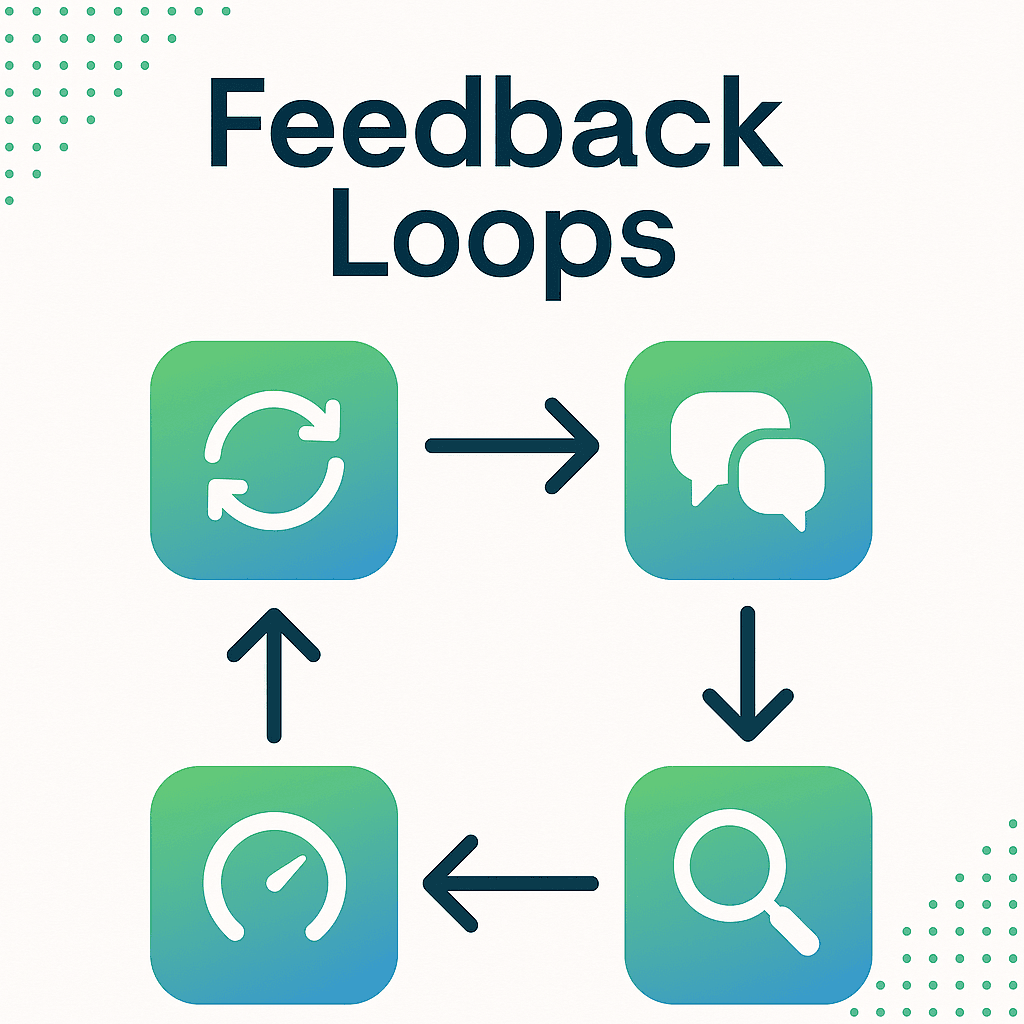
In a post-convergence world, where industries are blending and consumer expectations are fluid, feedback loops are your compass. These loops should go beyond traditional metrics. They must capture:
- Behavioral friction: Are users struggling to adopt the new behavior your solution requires?
- Emotional resonance: Does your product or service feel intuitive, empowering, or delightful?
- Contextual fit: Is your innovation solving a real problem in the current environment, or one that existed five years ago?
Companies that thrive in this space are those that treat feedback not as a post-launch formality, but as a design input from day one.
QUICK TIP: Consider embedding behavioral research techniques like ethnographic interviews or diary studies to uncover friction points that metrics alone can’t reveal.
The Fourth Key: Reframe Success
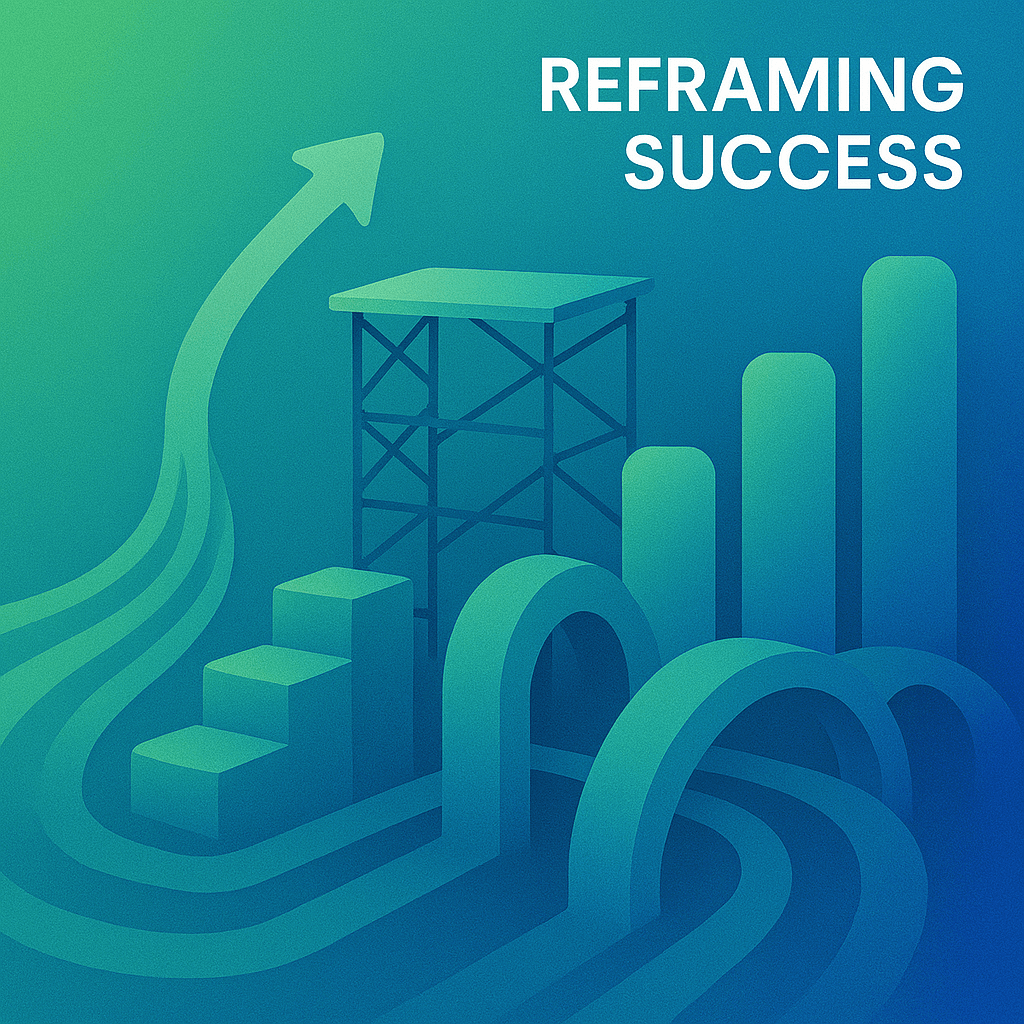
When you’re navigating a paradigm shift, success may not look like hockey-stick growth. It might look like:
- A small but loyal group of early adopters who deeply understand your value
- A slow but steady increase in engagement as behavior change takes root
- Internal alignment around a long-term vision, even if short-term metrics are ambiguous
This is especially true when you’re introducing innovations that require deliberate thought, new habits, or a shift in mindset. These take time, but when they land, they often reshape entire categories.
QUICK TIP: Borrow from behavioral science: System 2 innovations often require scaffolding (e.g., education, nudges, and social proof) to take root. Success may look like building that scaffolding first.
Ready to Navigate Your Next Paradigm Shift?
At Catapult Insights, we don’t just observe change, we help you lead through it. Whether you’re wrestling with behavior change, launching a new-to-market solution, or redefining success in a shifting landscape, our team brings the behavioral science, strategic clarity, and customer empathy needed to move forward with confidence.
Let’s turn uncertainty into momentum.
Reach out to explore how we can help you design smarter, test faster, and deliver with purpose.
Justin Sutton
CO-FOUNDER
CATAPULT INSIGHTS