

Insights on the Fly: Intercepts in the World’s Busiest Places
Conducting qualitative research in an airport is not for the faint of heart. Between the constant churn of travelers, tight security protocols, and the unpredictable rhythms of flight schedules, it’s a setting that demands agility, empathy, and precision. But when a client’s new store format opened at an international airport, we saw an opportunity to test not only a new retail concept—but also our intercept interview mettle.
Why the Airport? Why Now
I’ve helped many clients test new store concepts, including Chick-fil-A and Dave & Buster’s. When our Fast Casual/QSR client designed a high-volume, small-footprint store they called on Catapult Insights for our recognized leadership in testing retail experiences. Our goal was to understand how this new format performed in the wild: How did customers perceive the experience? Did the store meet their expectations? And how did it compare to their broader experience with our client’s brand?
Intercepting in Motion: Our Methodology
We conducted dozens of intercept interviews strategically timed during peak travel hours to capture the full spectrum of traveler mindsets—from bleary-eyed red-eye arrivals to business travelers on the go.
Our approach was simple but deliberate:
- Observe customers as they completed their orders.
- Approach them only after they had received their items.
- Keep interviews short, focused, and friendly.
We used a structured guide to explore topics like:
- Their relationship with the brand and expectations in an airport setting.
- Real-time reflections on their experience at the new store.
- Comparisons to other visits to our client’s locations.
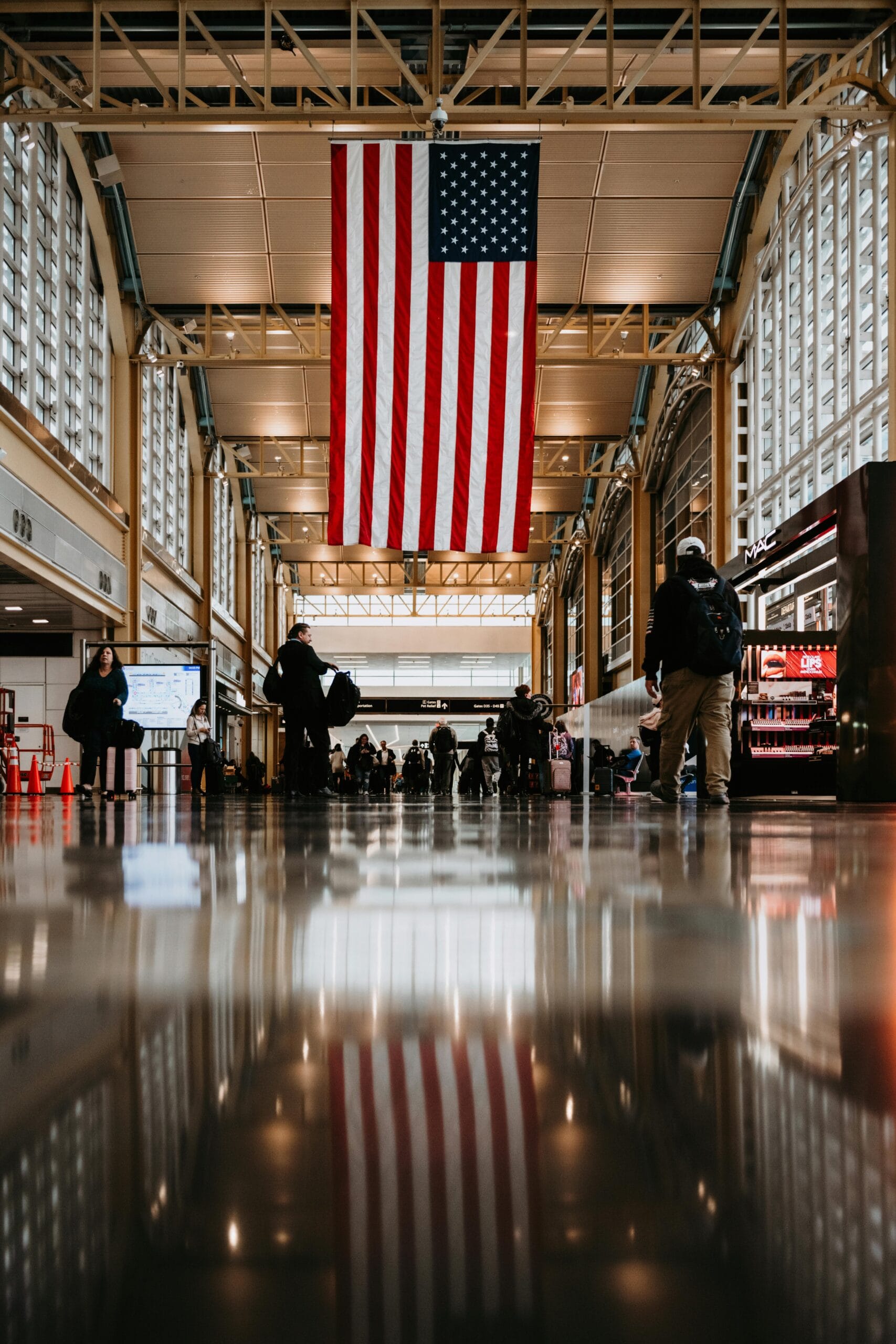
Challenges in the Terminal Trenches
Intercepting in an airport comes with unique hurdles:
- Location logistics: The store was tucked away at the far end of a terminal, over a quarter mile from security. This meant fewer casual passersby and more intentional visits—valuable context for interpreting feedback.
- Time pressure: Many customers were racing to catch flights. We had to be quick, respectful, and ready to pivot.
- Noise and distractions: Announcements, rolling suitcases, and the general hum of travel made it essential to keep interviews focused and concise.
What We Learned
Amid the bustle of the terminal, the insights were clear and compelling. Customer feedback confirmed that the intended benefits of the new format were landing—unaided responses reflected key experiential metrics, and the store successfully balanced brand familiarity with a fresh, elevated feel.
Our team’s deep experience with qualitative intercepts was instrumental. That expertise helped us apply proven methods to ensure the project’s success:
- Plan for peak hours—but be flexible.
- Use visual cues (we used emoji scales) to speed up feedback and spur conversation.
- Respect the traveler’s mindset—they’re often stressed, rushed, or distracted.
- Keep your gear minimal—mobility is key (I love my backpack in these situations).
- Debrief often—insights can fade fast in a fast-paced environment, so be deliberate about assessing and sharing learnings with your team.
Final Thoughts
Intercept interviews in airports or other challenging locations are intense—but they’re also incredibly rewarding. They offer a rare window into real-time, real-world customer behavior in a dynamic environment. For our client, the airport was a proving ground. For us, it was a masterclass in adaptive research.
Put our strengths to work for you on your next shopper insights project, whether it involves intercepts or other approaches. Reach out at hellocatapult@catapultinsights.com
Justin Sutton
CO-FOUNDER
CATAPULT INSIGHTS